Dust, smoke, fumes, gases and fine particles are a common occurrence for industrial plants. These emissions can be generated by boilers, furnaces, material handling, chemical emissions, grinding, mixing and other manufacturing operations. They can play an important role in maintaining a clean work environment and minimize the release of potential pollutants into the environment if managed appropriately.
This is where suitable pollution control systems can make a practical difference. The right equipment can capture unwanted particles and emissions close to their source, helping industries maintain better control over their processes. Working with experienced Pollution Control Equipment Exporters can also help businesses identify equipment that matches their particular application.
Where Does Industrial Air Pollution Come From?
Industrial air pollutants comes from various stages of manufacturing processes. Dust particles can be released through material handling, while heating and burning processes can emit smoke and gases. Similarly, chemical processes can also emit fumes or vapours that need to be extracted.
Finding the source is an important first step. Once the emission point is identified, a suitable collection or treatment system can be planned around the process instead of using the same arrangement for every application.
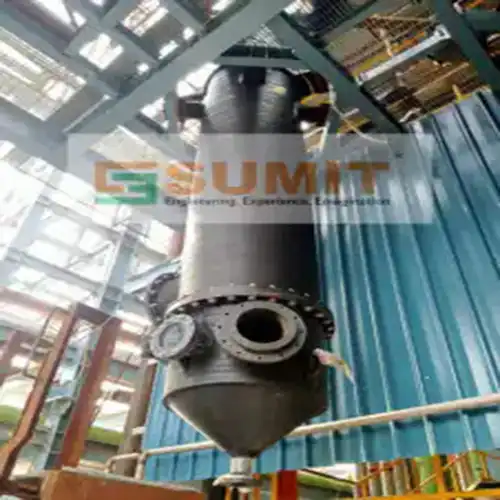
Why Controlling Emissions at the Source Matters
Allowing dust and fumes to spread throughout a production area can make them harder to manage. It may also increase the amount of cleaning required around machinery and work areas.
Source-level collection provides a more direct approach. Equipment can be positioned or connected close to the point where emissions are produced, allowing pollutants to be captured before they travel further through the workplace.
Matching Perforated Sheets Find Practical Use
Different pollutants require different approaches. Larger particles may require an alternative mechanism to collect dust compared to finer particles and gases.
Quantity of material, size of particles, temperature, moisture content, air flow, and chemical properties are all factors that affect the equipment needed. These factors are important in helping industries build a system that will accommodate the process and not just a generic system.
Common Industrial Applications
Pollution control equipment can be used in many areas where dust, fumes, or other emissions are generated. Some common applications include:
- Cement and mineral processing
- Foundries and metal industries
- Chemical manufacturing
- Pharmaceutical production
- Food and agro-processing
- Boiler and furnace operations
- Grinding and material handling
- Waste processing facilities
The arrangement may differ from one plant to another depending on the process and type of emission involved.
What Makes a Pollution Control System Practical?
A useful pollution control system needs to work well with the existing production setup. Space, airflow, operating temperature, production capacity, and accessibility for maintenance all need to be considered during planning.
The supporting components are also important. Ducting, fans, filters, collection units, and discharge arrangements should work together properly. A well-planned system can make daily operation and maintenance easier while helping maintain consistent emission control.
The Role of the Right Equipment Supplier
Buying equipment is only one part of managing industrial emissions. Industries also need to understand whether the system is suitable for their process and operating conditions.
Experienced Pollution Control Equipment Exporters can assist companies to identify issues such as type of emissions, process conditions, capacity, installation space, and maintenance requirements. Information about the facility will help the equipment manufacturer have an idea about the process.
This approach can also help avoid problems caused by equipment that is not properly matched to the production process.
A Better Approach to Industrial Pollution Control
Industrial pollution cannot be managed effectively with the same solution for every plant. The equipment needs to match the process, type of emission, operating conditions, and available space.
A properly planned system can help industries manage dust, fumes, and other pollutants in a more organised way.
Businesses looking for suitable Pollution Control Equipment Exporters can discuss their process requirements with Sumit Enterprise and understand the available equipment options before finalising a system.
Frequently Asked Questions
Industrial air pollution involves the emission of undesirable particles, dust, smoke, fumes, vapour, and gases during various industrial operations.
They can adopt an appropriate system of collection, filtration, extraction, or treatment of pollutants depending on the nature and amount of pollutants emitted.
Capturing emissions near their source can help prevent dust and fumes from spreading across larger areas of the workplace.
The choice depends on factors such as pollutant type, particle size, temperature, airflow, production conditions, required capacity, and installation space.
Yes. Routine inspection and maintenance of filters, ducts, fans, and other system components can help maintain proper operation.