SUMIT Enterprise provides solutions for applications where flooring and other surfaces need to handle challenging conditions. Where acids, solvents or chemical liquids are used, the floor must do more than just provide a walking surface. It needs to stay strong and in good condition even with regular chemical exposure or accidental spills.
Chemicals Exposure may cause a floor to slowly deteriorate if it is not suitable and can result in wear, cracks, stains or expensive repairs. Acid proof tiles are the extra layer of protection and can help to form a flooring surface more suitable for such areas. This is reasons why the experienced Acid Proof Tiles Manufacturers in India are chosen is because of their capability to produce chemical resistant tiles.
The Role of a Protective Tile Surface
Acid proof tiles create a surface designed for environments where chemical exposure is expected. Instead of allowing aggressive substances to directly affect the underlying floor, the tile system provides a protective surface between the chemical and the base.
This can be especially useful around processing equipment, chemical storage points, and areas where liquids are transferred. A suitable flooring system can also make it easier to keep the work area clean and manageable.
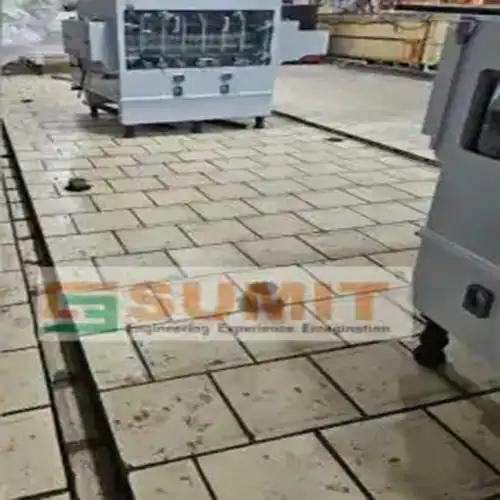
What Happens When Chemicals Reach the Floor?
The effects of the spill may not be visible right away. The Chemical spill may react with the floor surface multiple spills may even highlight the problem.
The effects may vary depending on the chemical substance spilt, its concentration level, temperature, and time on the floor surface. Having the appropriate flooring system right from the start is an important consideration if there is a possibility of spills.
Why Tile Selection Depends on the Work Area
Different locations can have very different flooring requirements. A laboratory may deal with small quantities of chemicals, while a processing area may experience frequent exposure to larger volumes.
The flooring requirement should therefore be based on the actual conditions. Factors such as the type of chemical, expected exposure, temperature, traffic, and cleaning routine can all affect the tile specification.
Areas That Can Benefit from Acid Proof Flooring
Acid-resistant tile flooring can be considered for locations where chemical substances may come into contact with the floor.
Some examples include:
- Chemical handling zones
- Laboratories and testing areas
- Battery manufacturing and storage spaces
- Chemical storage rooms
- Processing and production areas
- Effluent treatment sections
- Areas around chemical equipment
The exact flooring arrangement should be planned according to the substances and activities present in each area.
Details That Affect Floor Performance
The tile itself is only one part of the flooring system. The overall performance can also depend on the joints, bonding material, base surface, and finishing details.
Poorly matched components can create weak points where liquids may enter. For this reason, the complete flooring arrangement should be considered rather than looking at the tile alone.
Surface condition is another practical factor. A well-maintained floor makes it easier to identify spills, stains, or damaged areas before they become larger problems.
Finding the Right Manufacturer
When comparing Acid Proof Tiles Manufacturers in India, businesses should look at more than product availability. The supplier should understand the intended application and provide information that helps match the flooring to the working conditions.
It is useful to share details about the chemicals involved, the area of installation, expected traffic, and cleaning practices. This gives the manufacturer a clearer picture of what the flooring needs to handle.
SUMIT Enterprise can support requirements where suitable materials and application-specific solutions are needed. Discussing the project details in advance can help avoid unnecessary changes after installation.
Keeping Chemical-Resistant Flooring in Good Condition
Good housekeeping plays an important role in maintaining any chemical-resistant floor. Spills should not be left unattended, particularly when the substance is known to be aggressive.
Regular checks can also help identify damaged tiles, worn joints, or areas that need attention. Addressing small issues early can help keep the flooring system functional for longer.
Discuss Your Flooring Needs
Chemical-resistant flooring should be planned around the actual conditions of the site rather than using the same solution everywhere. Sumit Enterprise can discuss application-specific requirements and help businesses understand suitable flooring options.
Get in touch with the team to discuss your project with experienced Acid Proof Tiles Manufacturers in India.
Frequently Asked Questions
They can be used in areas exposed to acids and other chemicals, including laboratories, chemical handling zones, storage areas, processing spaces, and effluent treatment sections.
They are designed to provide resistance against specified chemical exposure, but performance depends on the tile, chemical type, concentration, temperature, and exposure conditions.
Joints are part of the overall flooring system. If they are not properly designed for the application, they can become vulnerable points where liquids may reach the surface underneath.
The effect will depend on the type of chemicals used and exposure conditions.
The type of chemicals, concentration, temperature, expected exposure, floor usage, traffic, and cleaning practices should be discussed before deciding on the flooring system.